EssaysNovember 11, 2026
Articles about Hani Hourani - Rasmi Al-Jarrah
Hani Hourani3 min read
Hourani's Paintings in (Visions): Amman Through the Lens and Color
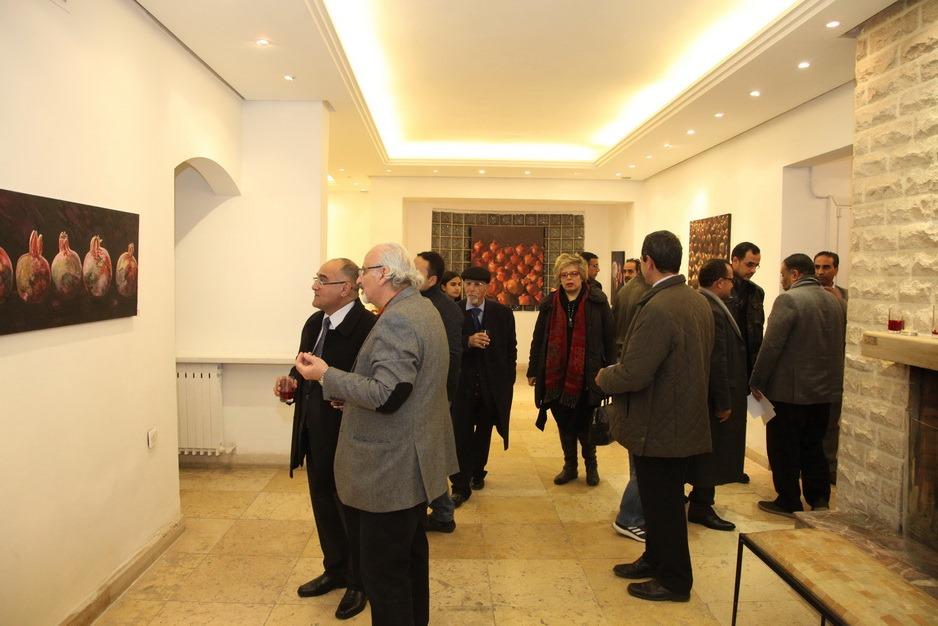
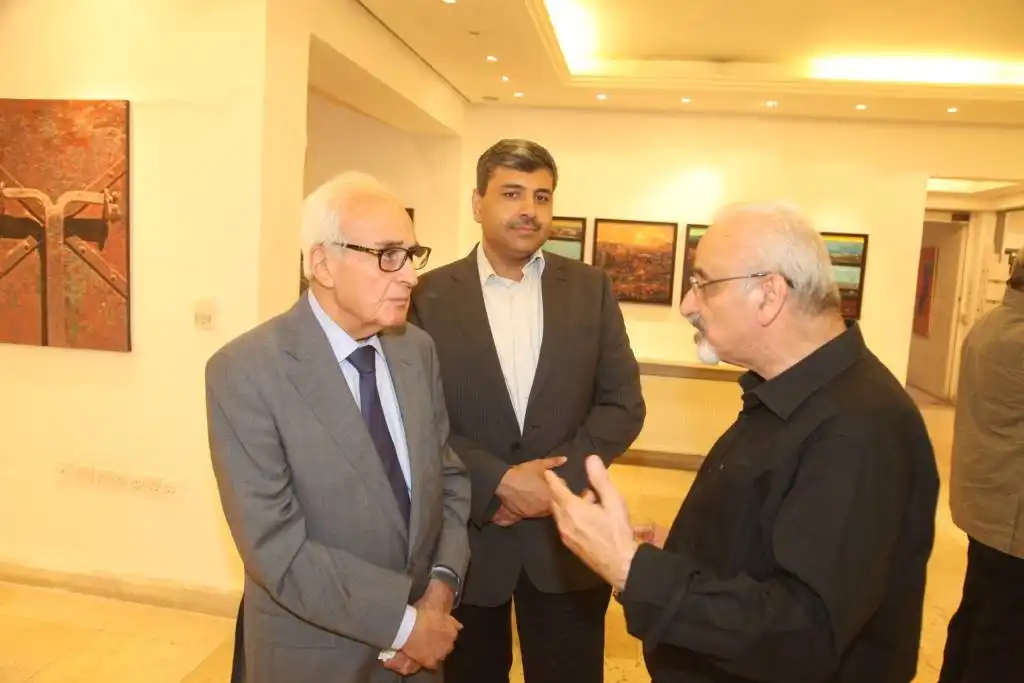
Amman – Rasmi Al-Jarrah: Artist Hani Hourani transforms the photographic image from a static snapshot into a painting that fulfills its aesthetic and visual requirements, adhering to the correct rules of composition and form. In his solo exhibition, "Faces of My City," currently running for two weeks at the Ru'a Art Center Gallery in Umm Uthaina, he reveals the immense effort invested in creating works that present Amman in a unique light.
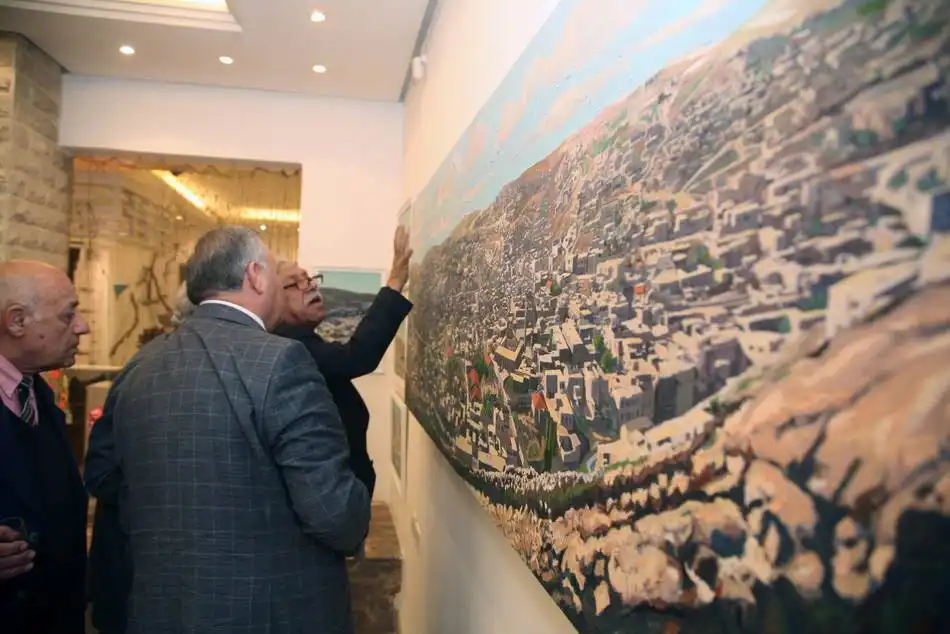
Technically, Hourani, primarily a photographer, prints the photograph onto canvas and recreates the composition of the place with color, much like someone adorning a vessel with precious shells. The otherwise somber Amman scene is transformed into a vibrant and rich landscape, infused with color, radiance, and reflections of Amman's blue hues, juxtaposing the bright colors with which Amman's residents spontaneously paint their homes. Hourani's work, a panoramic view of the Amman mountains, depicts Wadi al-Hadada, Ashrafieh, downtown Amman, the Roman Amphitheater, and some alleyways of old Salt. This is one of three sections of the exhibition. Another section focuses on Amman in the 1960s, while a third section showcases elements such as olive trees, baby carriages, antique doors, and locks.
Hourani's artistic experience is remarkably rich, combining diverse techniques with a deep connection to and immersion in the local environment. His use of color in the details of each scene creates a fresh, unspoiled image, a place untouched by the dust and bustle of modern life. The artist aims to portray Amman as it will be. Hourani remained faithful to the smallest details of the scene. The houses, their staircases, gates, and numbering are all the same, and the shrubs are easily distinguishable: the cactus in Wadi al-Hadada, the pomegranate, cypress, and eucalyptus in Ashrafieh, and the Roman amphitheater. All of this and more was present in the artist's scenes. However, his method of capturing the scene, the juxtaposition of colors, and the close arrangement of the houses transformed the scene into a beautiful mosaic that offers the eye the pleasure of wandering.
In the section on Old Amman, the artist borrowed some shots from Amman's old archives, restoring the magic and charm of the place to the viewer. With the same technique, he connected a time dormant in memory with another active and present one. In a section where the artist chose the motifs of the olive tree, the baby carriage, old doors, and door locks, Hourani succeeded in creating aesthetic scenes by intensifying color, magnifying details, and bringing them closer, revealing the artist's skill in capturing aesthetic compositions that are worthy of being a painting, not just a photograph. Hourani knew the paths of color as well as he knew the paths and alleyways of Amman. Because of his artistic lens and his experience in capturing balanced compositions and situations where color reflections and shadows are at their most harmonious, he created paintings of the city that are a valuable addition to Jordanian visual art, presented with a distinctive and striking vision and style.
23:04:44 16-09-2013 Monday