EssaysNovember 11, 2026
Doors and Walls 3
Hani Hourani7 min read
In his current exhibition at Baladna Gallery
Al-Hourani humanizes the image and engages in dialogue with it
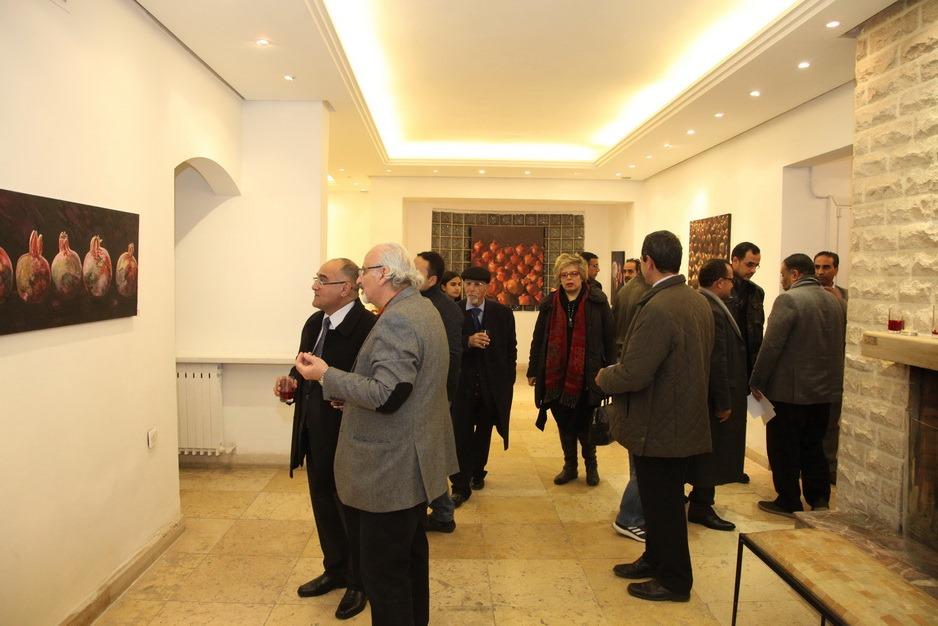
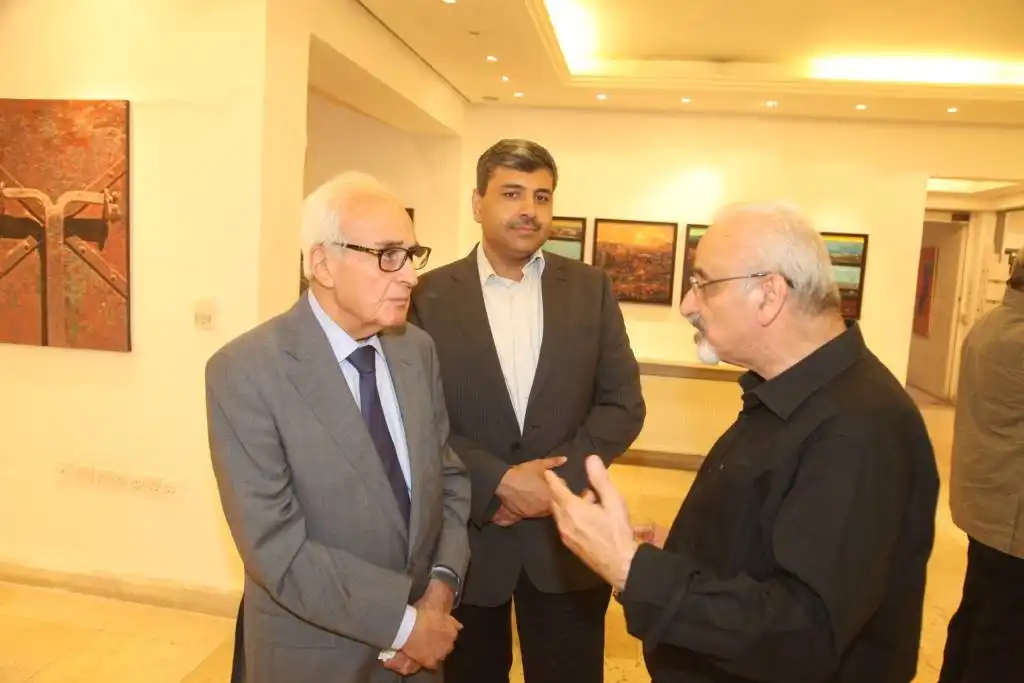
Under the patronage of the Mayor of Greater Amman, Engineer Nidal Al-Hadid, the photographic exhibition of artist Hani Al-Hourani, titled "Doors and Windows," recently opened at Baladna Gallery. Al-Hourani is a photographer who creates a new scene within the image, reproducing what is hidden within the ordinary and traditional.
Al-Hourani doesn't merely capture what the eye sees; rather, he delves into the beauty of the missing details within the overall scene. He focuses on searching for and exploring new aesthetics, surprising the viewer and reminding us of our everyday experiences in a striking way.
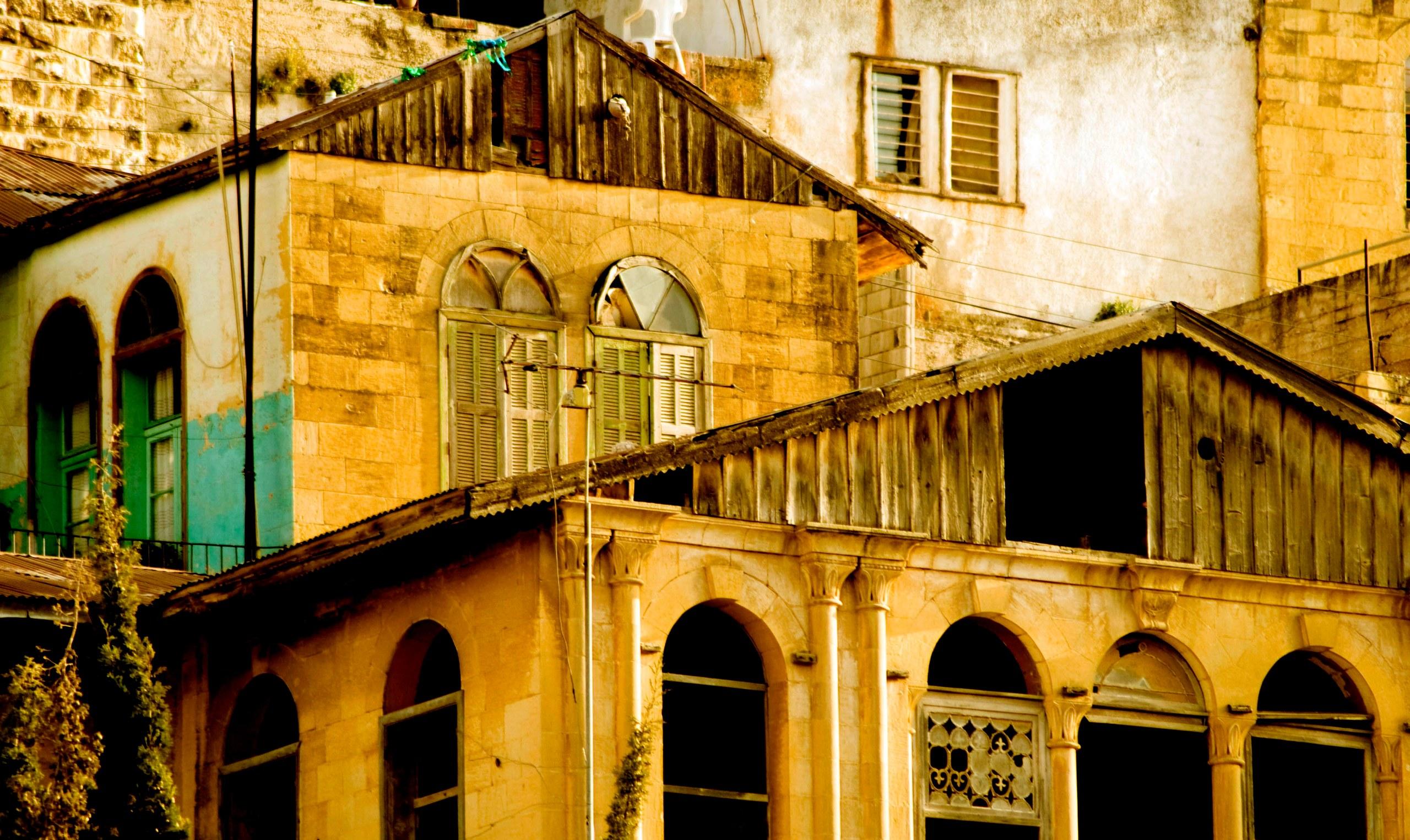
Through the ancient gateway, rich with symbols and spontaneous gestures, we enter his photographed spaces and wander through an atmosphere of antiquity and artistic authenticity with its expressive depths. He doesn't confine himself to any particular place; rather, the lens accompanies him wherever he goes. In this exhibition, he embarks on a veritable journey through diverse spatial rituals, from North Africa to Egypt, Oman, and the Levant, searching for the hidden textures of walls, for temporal patterns within the wood, revealing it as a talisman protecting the viewer from the evils of speed and machinery. Through its windows, we glimpse our inner selves, which have abandoned these places. Hourani has succeeded in reviving the scents of the old places in all their manifestations and authentic aesthetic qualities.
For him, the door is a living entity, breathing from the wall, opening its arms to the eye to wander within its secrets hidden in the shadows of the image. He moves with his lens from areas of light to areas of darkness, as if painting the shadows of things, thus creating visual tableaux that meet and contrast through the movement of light. He works on rhythm and the repetition of shadowy forms in their horizontal and vertical dimensions. The viewer of his arranged windows notices the symmetries in irregular shapes and forms of spontaneous construction.
He captures the fresh scene as if he participated in its creation. He reconstructed it through his precise and intelligent lens, each captured line carrying visual significance within the overall image. He works with the interplay of light and shadow, subtly hinting at everyday secrets unseen by the ordinary eye. We observe that the arch of the door has transcended its geometric form, taking on a human form, revealing the aesthetic beauty of the ornamentation and composition in every space. The photograph showcases the aesthetic differences between the various types of doors depicted. The Tunisian door, for example, is richly decorated and inlaid with metal, relying on a wide arch in addition to symbols and letters. It expresses the nature of the society that created it. Al-Hourani left no detail untouched, meticulously crafting and revealing it, as if referencing modernist paintings created by a skilled artist.
Al-Hourani has managed to guide the viewer's eye through almost pristine, untouched aesthetic realms. From his doors, we enter into alleyways and intimate passages that lead us to the end of a soft point of light, imbuing the homes with a human touch, as if they were interconnected human beings, each supporting the other. As for the Egyptian mashrabiyas, we notice the intelligence of the shots, which give us a complete sense of the exquisitely beautiful wooden hangings and muqarnas. The dust on the walls has a significant tactile sensitivity in its expressive function. The photograph is no longer merely a lens aperture, but a new life for places that were almost lost to our consciousness. He has breathed life back into the corridors, windows, doors, and cracks. Every form speaks for itself in a silent, intense language, revealing the ravages of time through moss and oxidation under the influence of natural elements. Antiquity has added a new dimension of beauty.
This experience is a humanistic message calling us to return to the origins of our aesthetics, to revive and preserve them, because they constitute the history of a nation and communities that once inhabited these houses. Through them, we can study the nature of the social relationships that prevailed at that time. The home was a place of tranquility for its inhabitants, a repository of their secrets and dreams.
Mohammed Al-Amri
Amman - Al-Dustour
Visitor Comments on the "Doors and Windows" Exhibition (1998)
My dear Hani,
I was delighted to visit this beautiful exhibition, which reflects your artistic essence and your vision, even before the lens of your camera.
Doors and windows open to the wind and freedom, where human thought intertwines with humanity's creative potential. These possibilities manifest in creation, enabling humanity to immortalize itself through these enduring monuments, a testament to the greatness of humankind, its brilliant intellect, and its boundless talents.
Doors and windows that are not closed, but rather resist isolation and confront all challenges of stagnation, for they represent human civilization and open up magnificent chapters for the nation, from Salt to Jerusalem, to Damascus to Aleppo, to Tunis to Cairo, from Amman to Sidi Bou Said, from Bab Touma to the Tabbaneh neighborhood... With my enduring love and affection.
Your brother
Mohammed Naji Amayreh
November 19, 1998
My brother Hani,
Doors and windows are just like you, shining on the present but refusing to be a part of it, because it is a painful present and has no connection to the glorious past.
Your brother
Hassan Braiseh
To the artist… Hani, a greeting filled with the scent of jasmine that clings to the doors.
Signature
Name unclear
To the artist Hani,
I was very impressed by the photographs that speak of the essence of the place, and I await their publication in a well-documented reference with a high-quality print, to be added to our libraries and benefit every interested designer and artist.
Prof. Dr. Aliya Abdulhadi
School of Arts and Architecture - Women's University
November 25, 1998
Mr. Hani Hourani,
A beautiful and distinguished exhibition. Congratulations.
Layla Azouqa Qurt - Amman
It is astonishing that a "political" photographer can document a life that endures despite the destruction, that he can push the wall of forbidden silence towards open expression. I wish you more time, however limited, to record our lives in cities that are spreading.
Dhia Al-Azzawi
Iraqi Visual Artist
December 16, 1998
Professor Hani Hourani,
I don't know where this "third eye" is leading you, nor do I know if the forms are guiding you or their implications.
Most likely, you are walking with your three eyes, or if you prefer, the labyrinths are leading you towards the deflowering of the accumulated virginity of longing.
The area you worked on is incredibly rich and cannot be exhausted, but what bothered me was its isolation, whereas each visual space within it constitutes an aesthetic text where poetry blends with heritage, and reflection with place. I congratulate you from the bottom of my heart on this remarkable level of thought-provoking questions.
Haitham Sarhan
31/12/98
Brother Hani Al-Hourani,
Art, civilization, heritage, beauty—all of this was embodied in the beautiful photographs I saw. They weren't scattered here and there, but rather beautifully arranged in both form and content.
And I thank you for the efforts made to showcase your creativity.
Suheir Mansour
Brother Hani,
May God bless you. As I've always known you, you are a true local, even in photography. Your interest in Salt and its heritage evokes nostalgia for my childhood days there. Thank you so much for this passion for heritage.
My sincerest congratulations, and I hope we always see such pioneering work. My best wishes for your continued success.
Sincerely,
Dr. Raouf Abu Jaber
Evening of November 22, 1998
My brother Hani,
Although the doors are closed, the vision is wide open. You were so brilliant that I thanked God I didn't have to participate in the show.
These masterpieces wouldn't have delighted the audience if Souad hadn't been behind them.
Signature
Name unclear
November 22, 1998