EssaysNovember 5, 2026
Faces of my City 2
Hani Hourani3 min read
Hourani's Paintings in (Visions): Amman Through the Lens and Color
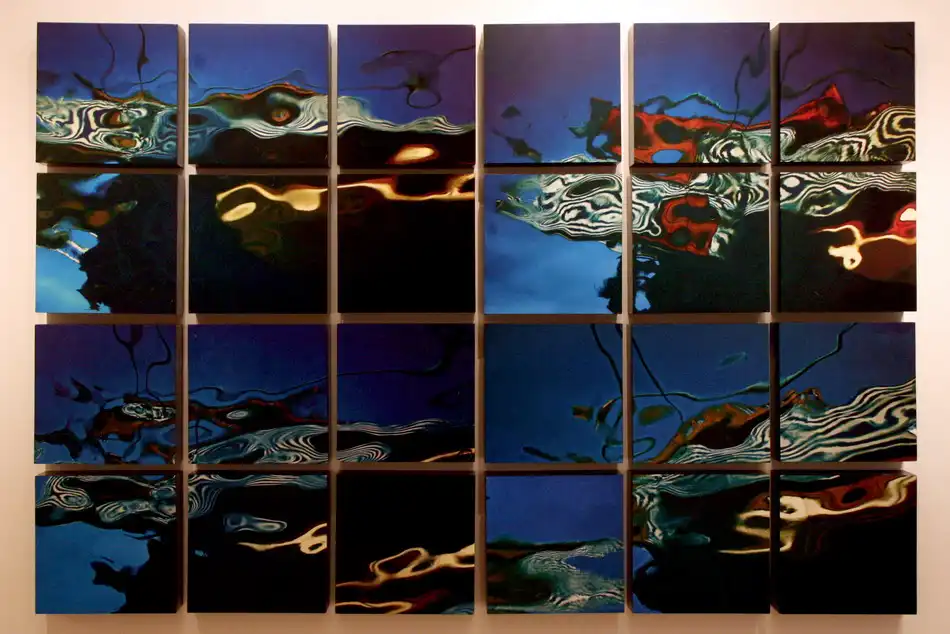
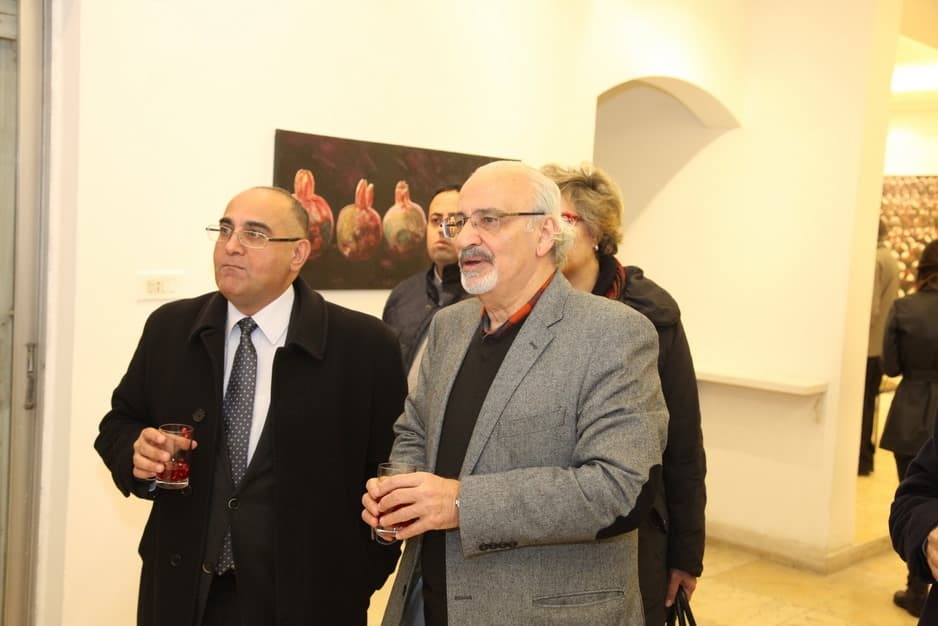
Amman – Rasmi Al-Jarrah: Artist Hani Hourani transforms the photographic image from a static snapshot into a painting that fulfills its aesthetic and visual requirements, adhering to the correct rules of composition and form. In his solo exhibition, "Faces of My City," currently running for two weeks at the Ru'a Art Center Gallery in Umm Uthaina, he reveals the immense effort invested in creating works that present Amman in a unique light.
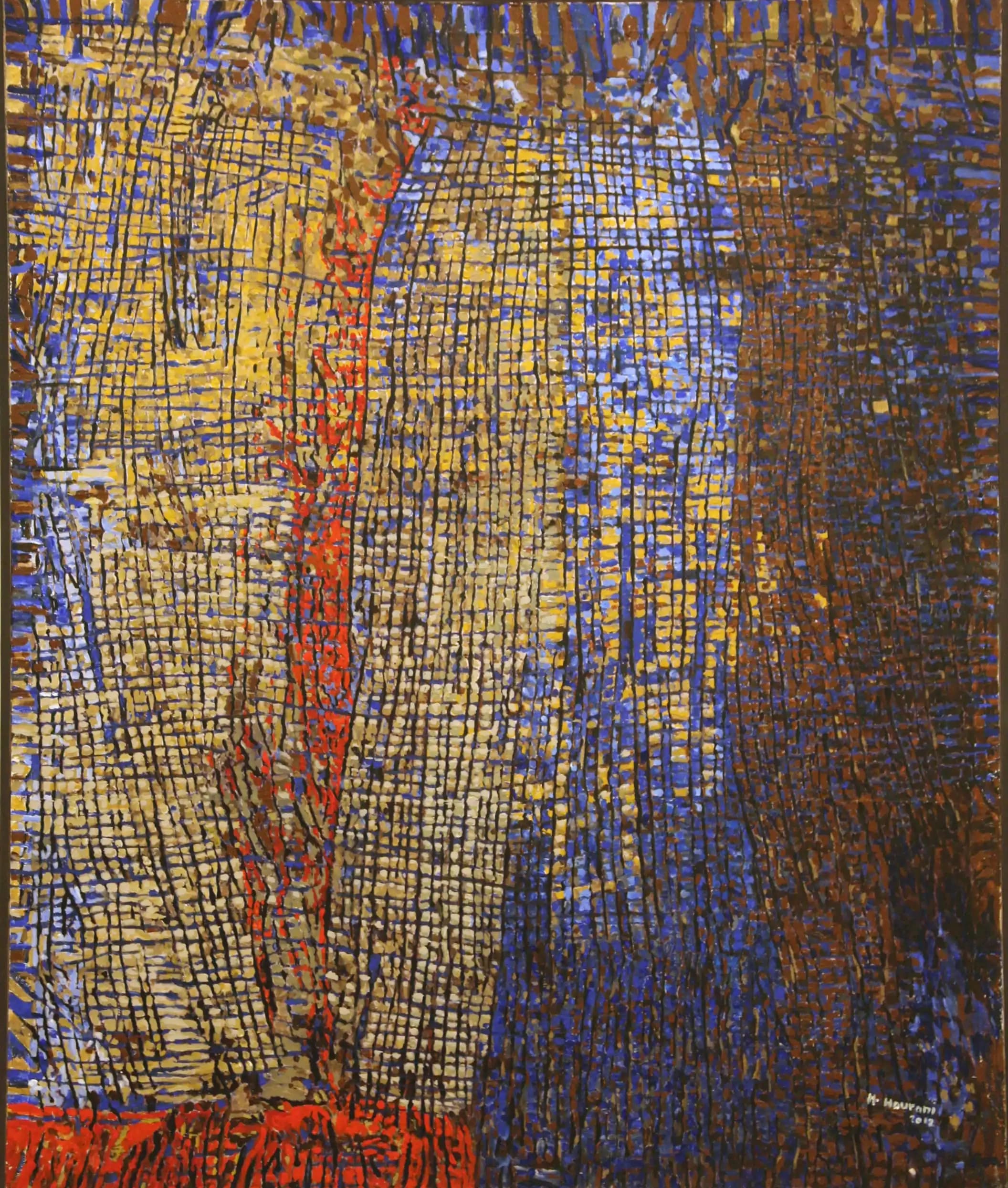
Technically, Hourani, primarily a photographer, prints the photograph onto canvas and recreates the composition of the place with color, much like someone adorning a vessel with precious shells. The otherwise somber Amman scene is transformed into a vibrant and rich landscape, infused with color, radiance, and reflections of Amman's blue hues, juxtaposing the bright colors with which Amman's residents spontaneously paint their homes.
Hourani's work, a panoramic view of the Amman mountains, includes a section on Wadi al-Hadada, Ashrafieh, downtown Amman, the Roman Amphitheater, and some alleyways of old Salt. This section is one of three parts of the exhibition. Another section focuses on Amman in the 1960s, while a third section explores elements such as olive trees, baby carriages, antique doors, and locks.
Hourani's artistic experience is remarkably rich, combining diverse techniques with a deep connection to and immersion in the landscape. His use of color in the details of each scene creates a fresh, unspoiled image, a place untouched by the dust and bustle of modern life. The artist aims to depict Amman as it will be.
Hourani remained faithful to the smallest details of the scene. The houses are the same, the staircases, the gates, and the numbering in them. The shrubs can be distinguished: the cactus in Wadi al-Hadada, the pomegranate, the cypress, and the eucalyptus in Ashrafieh, and the Roman amphitheater. All of that and more was present in the artist’s scenes. However, his method of capturing the scene, the color juxtapositions, and the arrangement of the houses made the scene an aesthetic mosaic that provides the eye with the pleasure of wandering.
In the section on Old Amman, the artist borrowed some photographs from Amman's old archives, reviving the magic and charm of the place for the viewer. Using the same technique, he connected a time dormant in memory with another, active and present. In another section where the artist chose the motifs of olive trees, baby carriages, antique doors, and locks, Hourani succeeded in creating aesthetic scenes by intensifying color, magnifying details, and bringing them closer. This reveals the artist's skill in capturing aesthetic compositions that are worthy of being paintings, not just photographs.
Hourani knows the paths of color as well as he knows the paths and alleyways of Amman. Because of his lens and his experience in capturing balanced compositions and situations where color reflections and shadows are at their most harmonious, he produced paintings of the place that are a significant addition to Jordanian visual art, offering a distinctive and striking vision and style.
16-09-2013 Monday
ShareTwitter