EssaysNovember 4, 2026
Doors and Walls 2
Hani Hourani4 min read
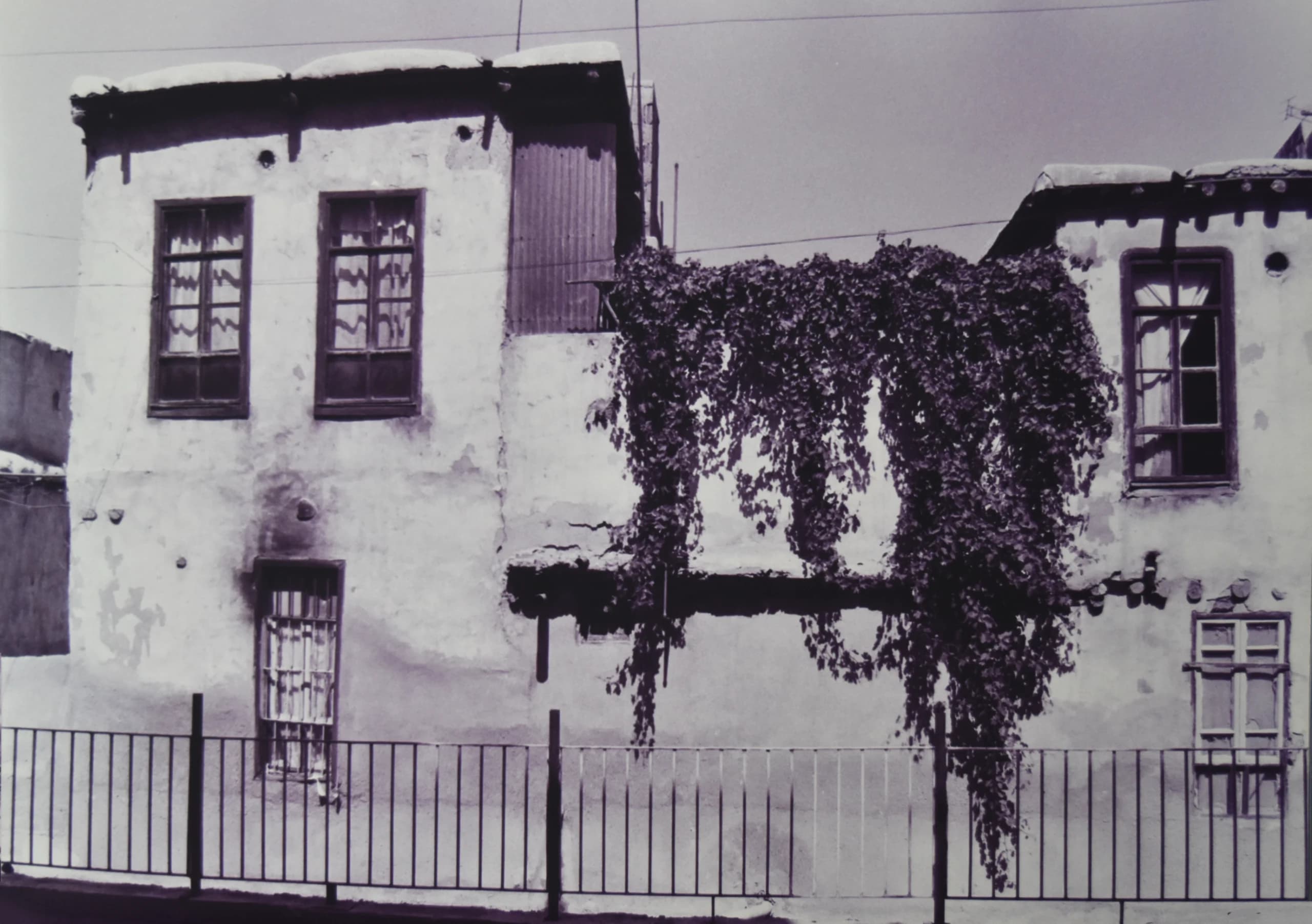
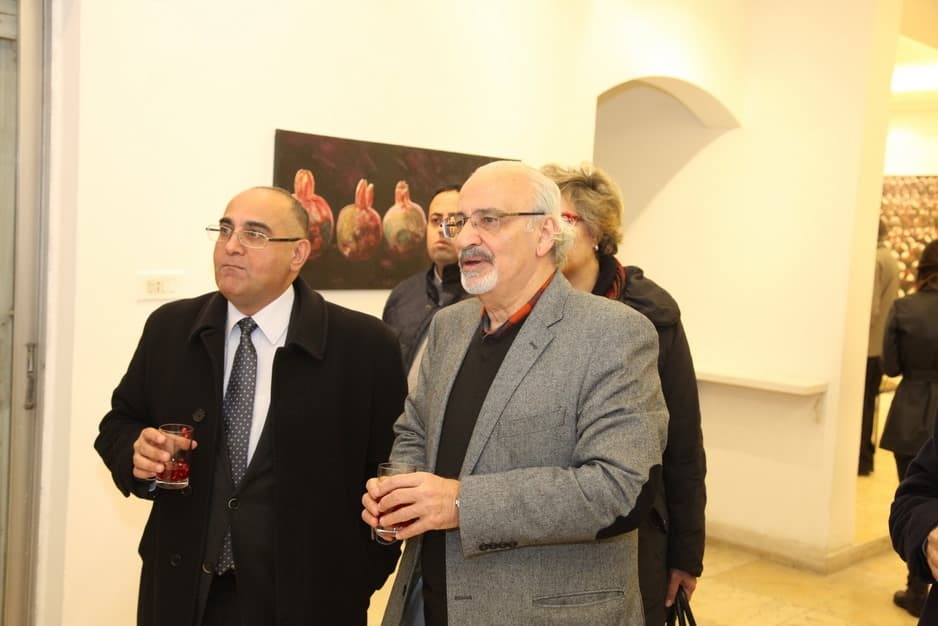
In his current exhibition at Baladna Gallery, Hani Hourani humanizes the image and engages in dialogue with it. Under the patronage of the Mayor of Greater Amman, Engineer Nidal Al-Hadid, the photography exhibition "Doors and Windows" by artist Hani Hourani recently opened at Baladna Gallery. Hourani is a photographer who creates a new scene within the image, reproducing what is hidden within the ordinary and traditional. Hourani did not merely capture what the eye sees, but delved into the aesthetics of the missing details in the overall scene, focusing on searching and exploring new aesthetics that surprise the viewer, as if reminding us of our daily existence in a striking way. Through the ancient gate filled with spontaneous symbols and signs, we enter his photographed spaces and wander through an atmosphere of antiquity and artistic authenticity with its expressive depths. He did not stop at any particular place, but rather the lens accompanied him wherever he went. In this exhibition, he embarks on a true journey and excursion through diverse spatial rituals, from North Africa to Egypt, Amman, and the Levant, searching for the hidden textures of walls, for temporal inscriptions within wood, and revealing it as a protective talisman. The image, born of the evils of speed and machinery, offers a glimpse into our inner selves, which have abandoned these places. Al-Hawrani has managed to revive the scents of the old place in all their manifestations and authentic aesthetic qualities. For him, the door is a living being, breathing from the wall, opening its arms to the eye so it may wander within its secrets hidden in the shadows of the image. He moves with his lens from areas of light to areas of darkness, as if painting the shadows of things, thus creating visual tableaux that meet and contrast through the movement of light. He works on rhythm and the repetition of shadowy forms in their horizontal and vertical dimensions. The viewer of his carefully arranged windows notices the symmetries in irregular shapes and forms of spontaneous construction. He captures the fresh scene as if he participated in its creation. He has reconstructed it through his precise and intelligent lens, so that every captured line has its visual significance within the overall image. He works with the interplay of light and shadow, subtly hinting at everyday secrets unseen by the ordinary eye. We notice that the arch of the door has transcended its geometric form, taking on a more human shape, revealing the aesthetic beauty of the decorations and composition in every space. The photograph highlights the aesthetic differences in the various types of doors depicted. The Tunisian door, for example, is richly decorated and inlaid with metals, relying on a wide arch in addition to symbols and letters. It expresses the nature of the society that created it. Al-Hourani leaves no detail untouched, meticulously crafting and showcasing every aspect, as if referencing modernist paintings created by a skilled artist. Al-Hourani manages to guide the viewer's eye through almost pristine, untouched aesthetic realms. From his doors, we enter into alleyways and intimate passages that lead us to the end of a soft point of light, giving a human feeling to the houses, as if they were interconnected human beings, each supporting the other. As for the Egyptian mashrabiyas, we observe the intelligence of the shots, giving us a complete sense of the exquisitely beautiful wooden hangings and muqarnas. The dust on the walls has a significant tactile sensitivity that plays a vital role in its function. Expressionism has transformed his photographs from mere apertures of lenses into new life for places that had nearly died within our consciousness. He has breathed new life into the corridors, windows, doors, and even the smallest cracks. Every form speaks volumes in a silent yet intense language, revealing the ravages of time through moss and oxidation, while antiquity has bestowed upon them a new kind of beauty. This experience serves as a humanistic message, urging us to return to the origins of our aesthetics, to revive and preserve them, for they constitute the history of a nation and communities that once inhabited these homes. Through them, we can study the nature of the social relationships that prevailed at that time, for the home was a place of tranquility for its inhabitants, a repository of their secrets and dreams. (Mohammed Al-Amri, Amman - Al-Dustour)
ShareTwitter