EssaysNovember 4, 2026
Wadi Alwaleh
Hani Hourani1 min read
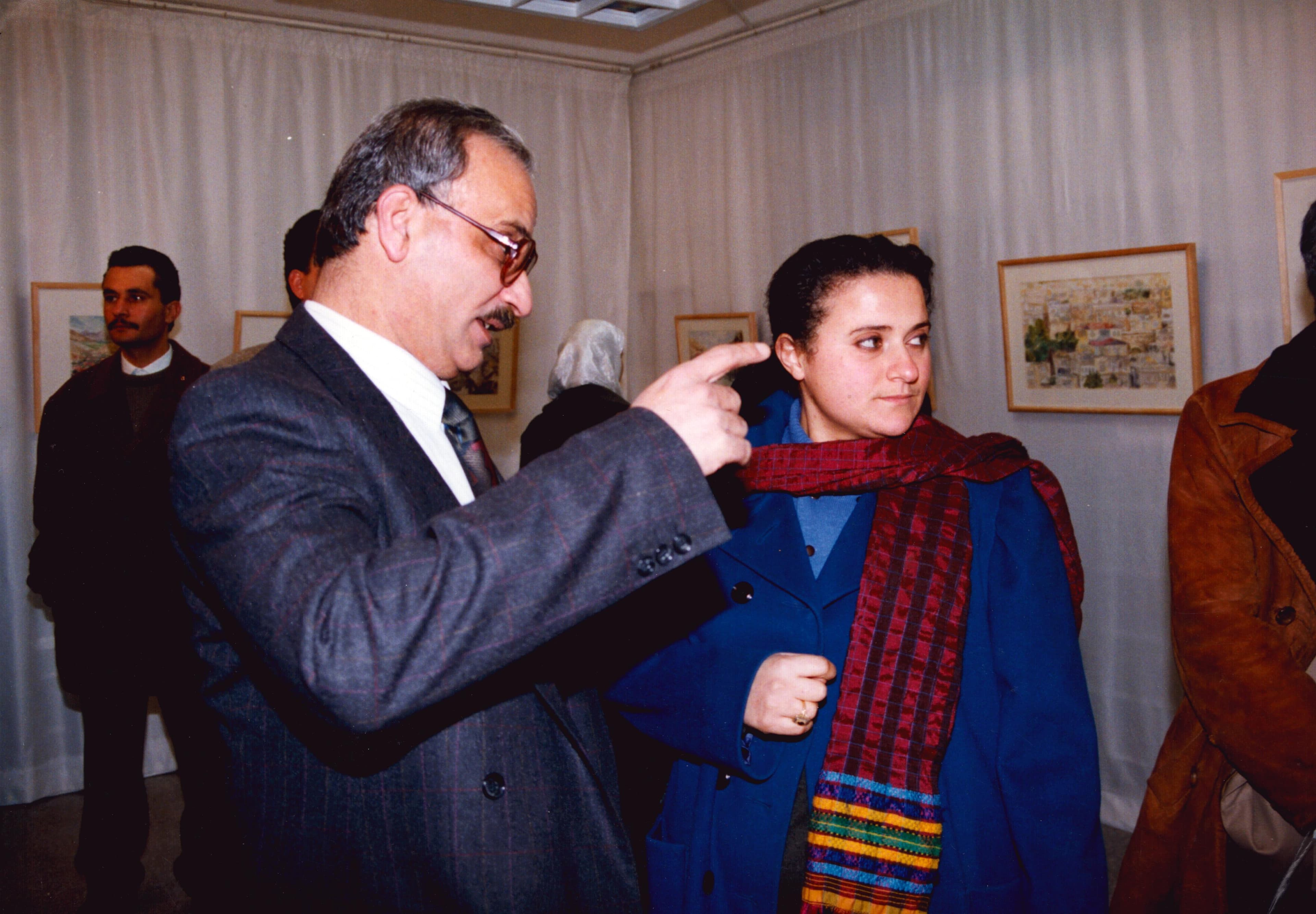
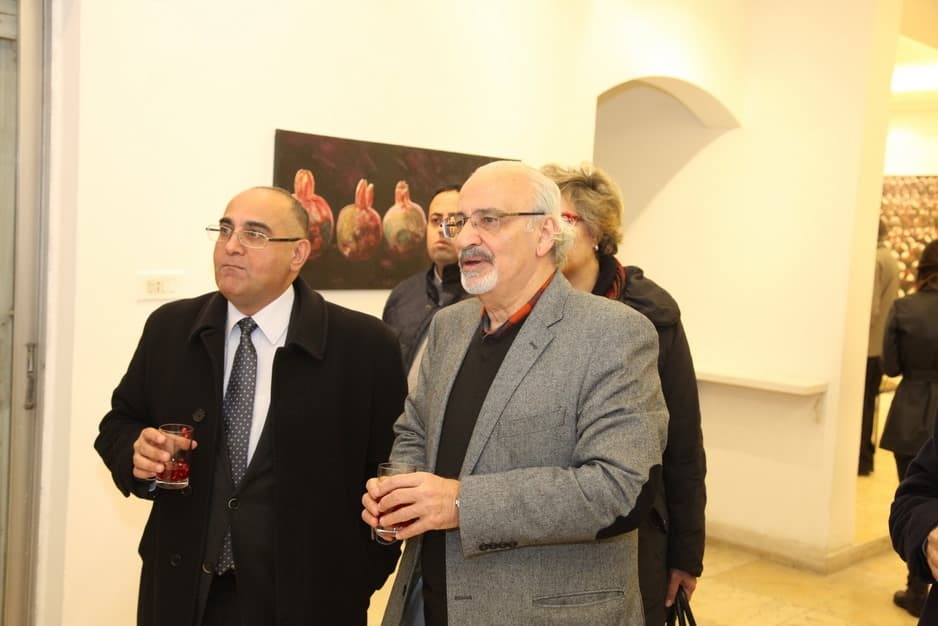
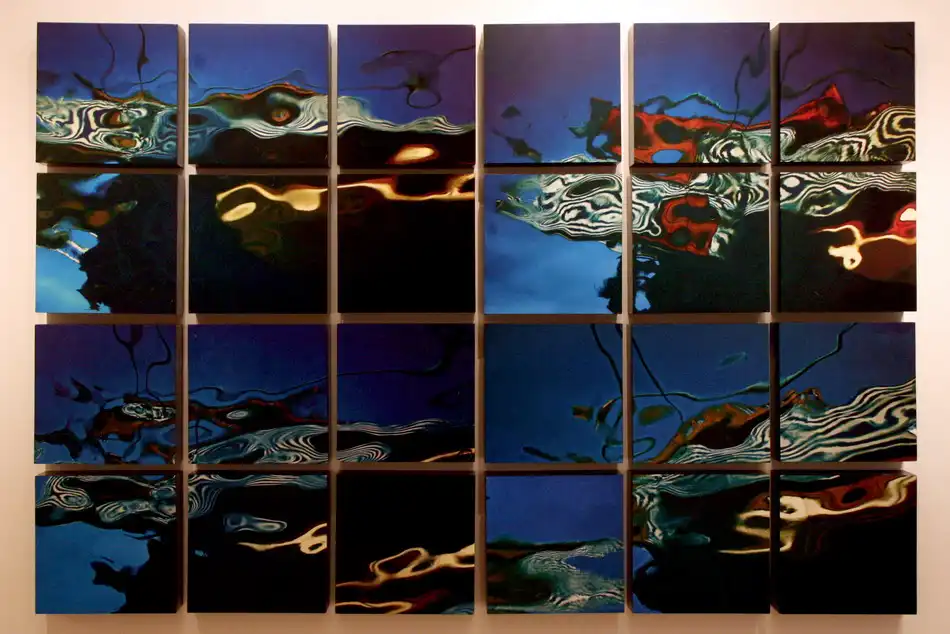
A Moment The Romantic and the Politician When I visited Hani Hourani at our gallery, I was surprised to find that the artist behind these expressive paintings was also a researcher and politician. If I were Hourani, I would have abandoned politics altogether and dedicated myself to visual art and painting, given my talent.
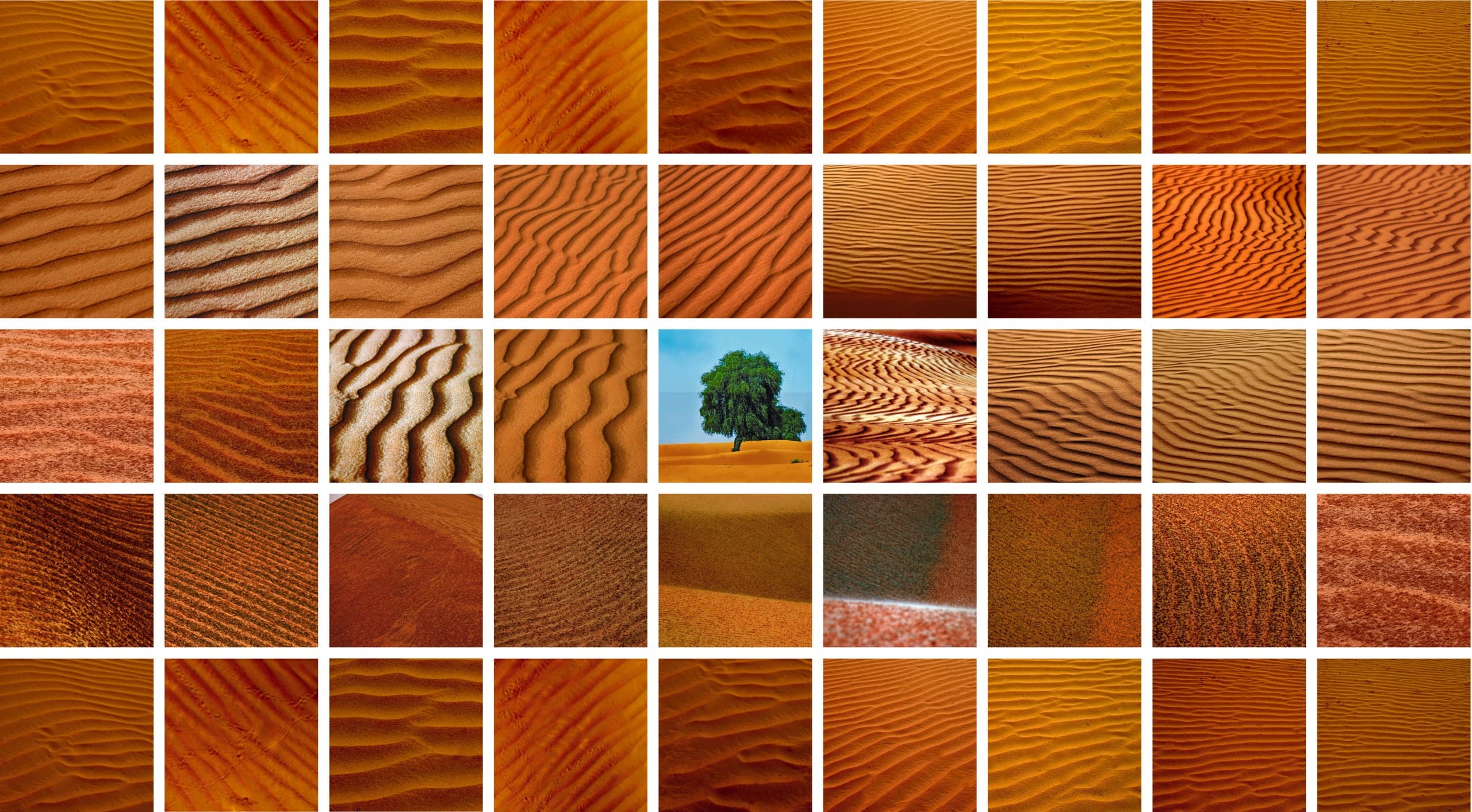
Hourani's paintings of the Jordanian countryside, specifically Wadi Wala, conveyed a profound sensitivity to place and nature, making him appear romantic, in stark contrast to the other, more "political" image that portrays a person as harsh, rigid, and rarely smiling.
Hani Hourani has returned to painting after many years, his youthful vigor now evident. He seemed delighted by this return, especially as he accepted the opinions and congratulations on his exhibited works. And if the conversation is indeed poignant, as they say, then much literary and artistic creativity is buried—and buried by its creator—for the sake of politics, lest one appear overly romantic or naive. The perception that a politician or a party member is incompatible with art and creativity, deeming them unsuitable for politics, is a double injustice, and it may even drive a talented individual to destroy the beautiful potential within them.
What applies to Hani Hourani also applies to writers and artists who have become immersed in partisan and political matters, neglecting their bright creative potential. Unfortunately, as we have come to expect, this awakening often comes too late, whether in political awareness or even in creative consciousness.
While we rejoice at Hani Hourani's return to his art, we hope that others will delve into their inner selves to unearth the creativity they buried—for the sake of politics!
Talaat Shana'a Al-Dustour - December 2, 1993
ShareTwitter